
You have an outdated webbrowser. The website might not work correctly.
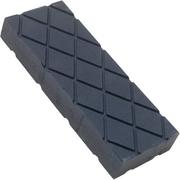
Sharp knives begin with a flat sharpening stone. It's true: a worn-out sharpening stone makes sharpening a frustrating chore, because you can no longer maintain the correct sharpening angle. The solution? A good lapping stone. It will make your sharpening stone perfectly straight again. At Knivesandtools, you will find lapping stones from Skerper, Naniwa, and more! Whether you are just starting out with sharpening or have already sharpened an entire drawer set, a flat stone is indispensable. And the best part is that a lapping stone works quickly and easily and keeps your sharpening stones in top condition. No hassle, just outstanding results.
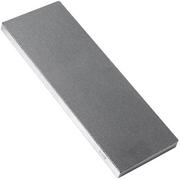

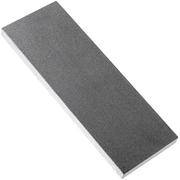

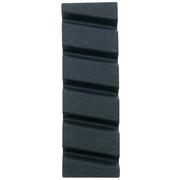

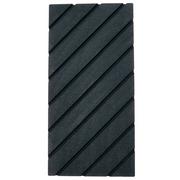

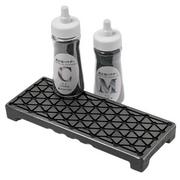

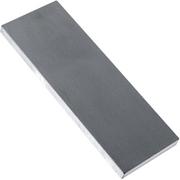

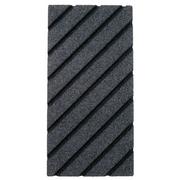

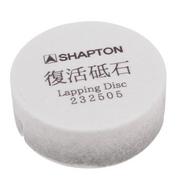

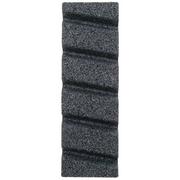

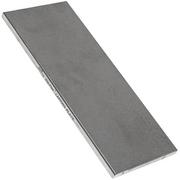

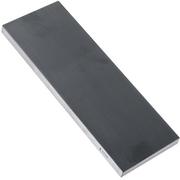

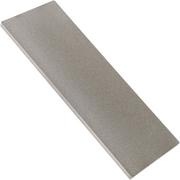


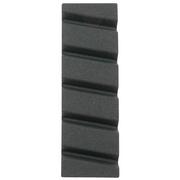


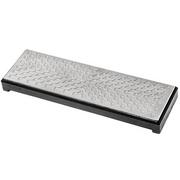

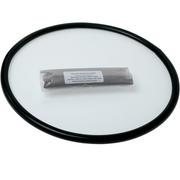

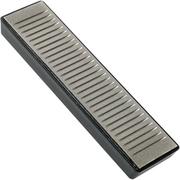


Not every sharpening stone requires the same approach. The rule is simple: a lapping stone must be coarser than the sharpening stone you want to flatten. So, if your stone is 1000 grit, choose a levelling stone with a grit of 220 or coarser. Skerper's Flattening Stone SA004, for example, with a grain size of 24/220, smoothly chews its way through hollowed-out stones. Also pay attention to the material: carbide is ideal for general use, while diamond (as used in a lapping plate) is best for intensive work.
How do you flatten a sharpening stone?. Lapping stones are usually made of carbide or diamond and have grooves to remove sharpening residue. You use them by placing the sharpening stone on a flat surface, marking it with a grid and then moving the lapping stone in circles or zigzag movements until the surface is even. The coarser lapping stone must always be harder than the sharpening stone itself. This allows you to work efficiently and maintain control while sharpening.
A coarser diamond-coated sharpening stone is perfect when flattening whetstones (made from another material than diamond). Diamond is harder than any other abrasive. This means that a diamond-coated sharpening stone hardly wears down at all when used as a lapping stone. If you use a regular ceramic sharpening stone, you will notice that it also loses grains. As such it will be like sticking plaster on a wooden leg.


